Custom software development
A complete, maintainable system, from requirements through to production release.
Business systems and internal tools, Server-side services and background processing, Technical documentation and handover
A software company in Shenzhen. We build software products, and we run them after launch.
Shenzhen Homecent Trading Co., Ltd. develops software products and provides technical support. The work is software: we take a product idea or an existing system, carry it through development and release, and stay on for the maintenance that follows.
The work. We build business systems, customer portals and the services behind them. An engagement starts with a written scope: what the product must do, what it must not do, and how we will both know it is finished. Then it is built in short iterations, each one ending in software you can run.
The support. Support is not a separate contract we would rather not sell. Monitoring, triage, patches and dependency upkeep continue on the same system, with an engineer who already knows the code and response terms agreed before anything goes live.
The languages. Requirements, progress notes, documentation and the code itself are delivered in English and Simplified Chinese. Our clients work in both, often in the same week, so nothing important is written in only one of them.
The contact. Enquiries go to one person, Ribin Ding, who reads them and answers them. Nobody is routed through a sales desk. Tell us what the product has to do, or what has stopped working, and the first reply is a set of questions.

Most engagements combine several of these. All of them can continue after launch.
A complete, maintainable system, from requirements through to production release.
Business systems and internal tools, Server-side services and background processing, Technical documentation and handover
Public sites, customer portals and admin consoles that remain maintainable after launch.
Server-rendered and static front ends, Admin consoles and reporting views, Accessibility and performance budgets
Make the systems you already run work with the software you are adding.
Third-party and partner API integration, Data migration and synchronisation, Authentication and access control
Ongoing support with a named owner, rather than an anonymous ticket queue.
Monitoring, triage and incident response, Bug fixes, patches and dependency upkeep, Change requests and small enhancements
Build, deploy and operate on infrastructure you can audit and take over.
CI/CD pipelines and release automation, Cloudflare and mainstream cloud platforms, Observability, logging and cost awareness
An independent read on architecture, risk and delivery before you commit.
Architecture and code review, Delivery plans and effort assessment, Build-versus-buy and vendor evaluation
Three situations, three different first steps. Choose the one that fits and the page answers for it.
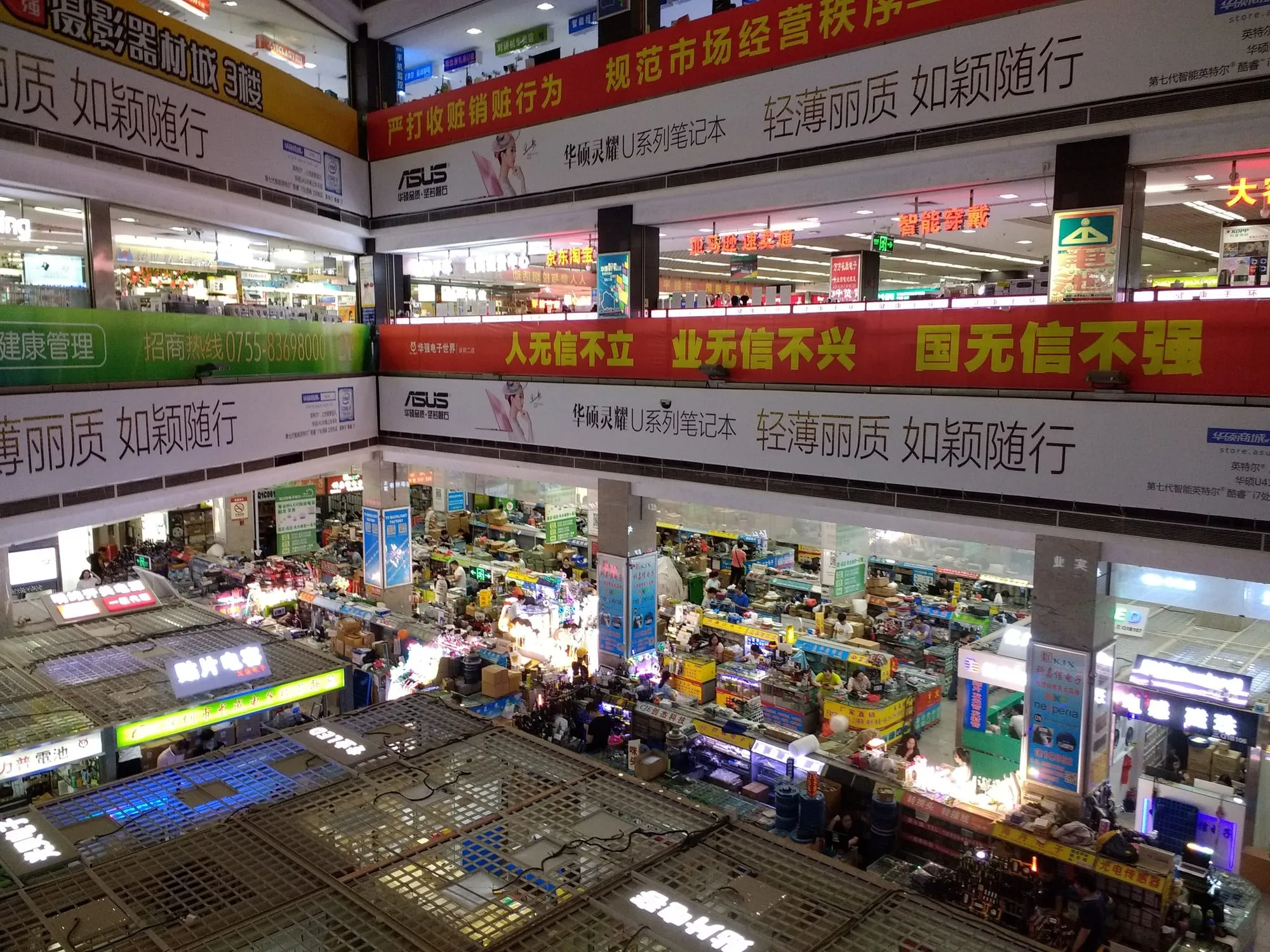
Requirements, acceptance criteria, and what we are not building.
Architecture, milestones, and a delivery schedule you can hold us to.
Each one ends in software you can run, not a status report.
Monitoring, patches, and the changes that follow a release.
No logos, no case studies, no numbers we cannot show you. Two tables you can check from where you are sitting: what we commit to, and how this site itself is built.
| Commitment | What it means | How you can hold us to it |
|---|---|---|
| Scope in writing | Assumptions, deliverables and acceptance criteria are agreed before code is written. | Ask for the scope document before any work starts. |
| Working software | Progress is measured by what runs, not by hours recorded. | Every iteration ends in a build you can open yourself. |
| No lock-in | Code, documentation and infrastructure access belong to you. | The repository and the accounts are held in your name. |
| Support after launch | Maintenance is part of the engagement, not an afterthought. | The engineer who built the system stays on it. |
| Item | Measurement | How to check it |
|---|---|---|
| JavaScript sent to the browser | 0 KB | View source: no module scripts. The only script is the structured data for search engines. |
| Pages | Eight, in two languages | Four routes, each built in English and in Simplified Chinese. |
| Photographs and footage | Six, openly licensed | Credited in the footer, each with a link to its source. |
| Checks before deploy | Types, unit tests, output verification | npm run check, npm test and npm run verify all have to pass. |
| Response headers | No inline script, no framing, HSTS | curl -I https://hcentlab.com |